In a nutshell
- 🖊️ Handwriting is a mirror and a lever: not destiny but embodied cognition that links thought to movement; small, deliberate tweaks can nudge attention, pace, and confidence.
- 🔎 Decode core features: size (visibility vs focus), slant (engagement, reserve, balance), spacing (urgency vs ease), and baseline (energy). Treat patterns as prompts and run week-long experiments to compare results.
- ⏱️ Manage speed, pressure, and rhythm to shape clarity: warm-up loops, lighter grips, better paper/pen choices, and brief pauses improve control; even the signature offers cues you can tune.
- 🧭 Turn insight into action: for job applications, negotiations, or creativity, adjust script (slightly larger, upright, or oversized) to prime the right mindset; build a 5-minute daily practice to stabilise habits.
- 🌱 Treat handwriting as a portable biofeedback loop: track outcomes, share techniques with colleagues or students, and let small, repeatable adjustments compound into noticeable life changes.
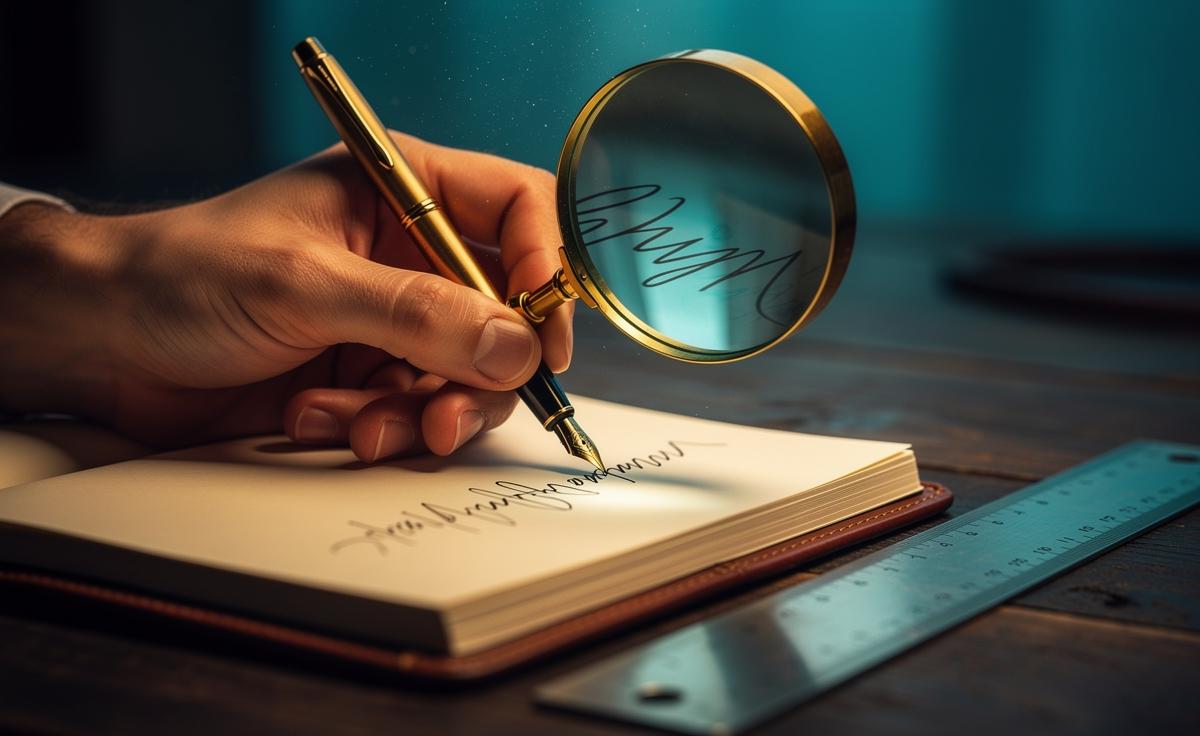
Your handwriting is immediate, intimate, and stubbornly analogue in a digital age. It’s the line your mind draws when nobody edits you. Many readers sense that their script changes with mood, pressure, or purpose; few explore what those changes say. This isn’t fortune-telling. It’s a mirror. Handwriting is not destiny, yet it can reveal tendencies you can sharpen or soften. From the tilt of a “t” to the width of your margins, patterns appear. Understanding them can influence how you present yourself, how you think, even how you make decisions. Small, deliberate tweaks to your penwork can nudge habits—and sometimes, your life.
The Science and the Scepticism
Let’s separate romance from rigour. Forensic document analysis is a science; it identifies authorship through line quality, pressure, and rhythm. Personality graphology, by contrast, sits in a debated space. Some studies find light correlations between features and traits; many do not. Treat interpretations as prompts for reflection, not proof. When you adjust your script, you are not rewiring personality. You are altering a micro-behaviour that can influence pace, attention, and mood in the moment.
Why bother then? Because handwriting is embodied cognition. The feel of nib on paper, the drag of ink, the brief pause before a capital—each anchors thought to action. Writers report different ideas emerging in longhand than on a keyboard. Managers notice calmer meetings when notes are hand-written. What your script reveals is less a label than a lever: where tension sits, where flow begins. Think of it as a biofeedback loop you can observe without an app. Curiosity first; conclusions later.
Decoding Size, Slant, and Spacing
Three features offer a practical entry point: size, slant, and spacing. Large letters can signal expansiveness or the need to be noticed; small letters may hint at focus, restraint, or fatigue. A right slant often aligns with outward energy; a left slant can suggest reservation; upright lines imply balance. Tight word spacing might indicate urgency; wide spacing, caution or comfort with distance. None of this is definitive, yet these cues can map how you inhabit the page—and by extension, the room.
Test it. Spend a week writing three lines each day: one in your default hand, one deliberately larger and slower, one tighter and more compact. Note how each feels and how your tone changes in the next conversation or email you write. Many people find that opening letter size slightly during brainstorming invites bolder ideas; tightening spacing for checklists improves precision. Use the page as a lab bench, not a courtroom.
| Feature | What It May Suggest | Try This |
|---|---|---|
| Letter Size | Large: visibility; Small: focus | Expand size for ideation; shrink for editing |
| Slant | Right: engagement; Left: reserve; Upright: balance | Keep upright for negotiations; slight right for rapport |
| Word Spacing | Tight: urgency; Wide: caution/comfort | Widen when planning; tighten for tasks |
| Baseline | Rising: optimism; Dropping: fatigue | Rule the page; use guides to steady |
Record outcomes, not just hunches. A small ruled notebook and a consistent pen will help you isolate variables like paper friction and ink flow. Over time you’ll see patterns worth acting on.
Speed, Pressure, and Rhythm
Speed is your cognitive throttle. Swift strokes may accompany decisiveness or impatience; slower forms can cultivate deliberation. Pressure reflects arousal and energy: heavy marks fatigue the hand and may mirror intensity; light pressure can signal ease or distraction. Rhythm—the evenness of spacing and forms—often follows mood. When rhythm smooths, thinking tends to clarify. When it stutters, it may be asking for a break, a breath, or better tools.
Practical shifts help. Choose paper that doesn’t fight your nib. A fountain pen with a forgiving feed can lighten pressure automatically; a gel pen may speed you up. Before high-stakes notes, write two warm-up lines of loops to settle your wrist. During complex meetings, cap your speed: three to four words per line, then pause. Tiny constraints can unlock control. If you often press too hard, rest the pen farther back from the tip; the leverage discourages gouging and steadies tempo. Track the difference in your comprehension later.
Finally, watch your signature. If it balloons beyond your text, ask what you’re amplifying. If it shrinks to a scrawl, consider where you might need to project more clearly. Neither is wrong—both are signals you can tune.
Turning Insight Into Life Changes
Handwriting habits can support real-world shifts. Job-hunting? Draft cover letter points by hand with slightly larger, upright script to cultivate clarity before you type. Negotiating? Practise responses in an upright, evenly spaced hand to prime balance over bluster. Creative block? Go oversized for a page to loosen edges. We adopt the posture of our pen, and that posture can influence tone, patience, and courage.
Build a light routine. Five minutes each morning: date, three lines of goals, one line of reflection. Keep margins generous to invite revision; tighten them for days you need discipline. Rotate pens to avoid grip fatigue. Importantly, don’t police your personality through calligraphy. Use form to support function. If a tweak helps you listen longer, decide slower, or speak clearer, it’s working. If it doesn’t, drop it. The power lies in noticing, not in dogma.
As patterns stabilise, share the experiment. Colleagues may adopt the warm-up loop. Students might find lighter pressure reduces exam fatigue. Parents could spot when a child’s baseline sags and offer rest. These are small changes. They compound.
Handwriting is the most portable feedback device you own. It travels with you, adapts to the task, and shows you—line by line—how you’re meeting the day. Treat it as a craft, and it will pay you back in attention, steadiness, and a quieter kind of confidence. Let your script become a practice rather than a verdict. If one deliberate adjustment this week could support a better conversation, a bolder idea, or a clearer decision, which stroke would you start with?
Did you like it?4.6/5 (20)