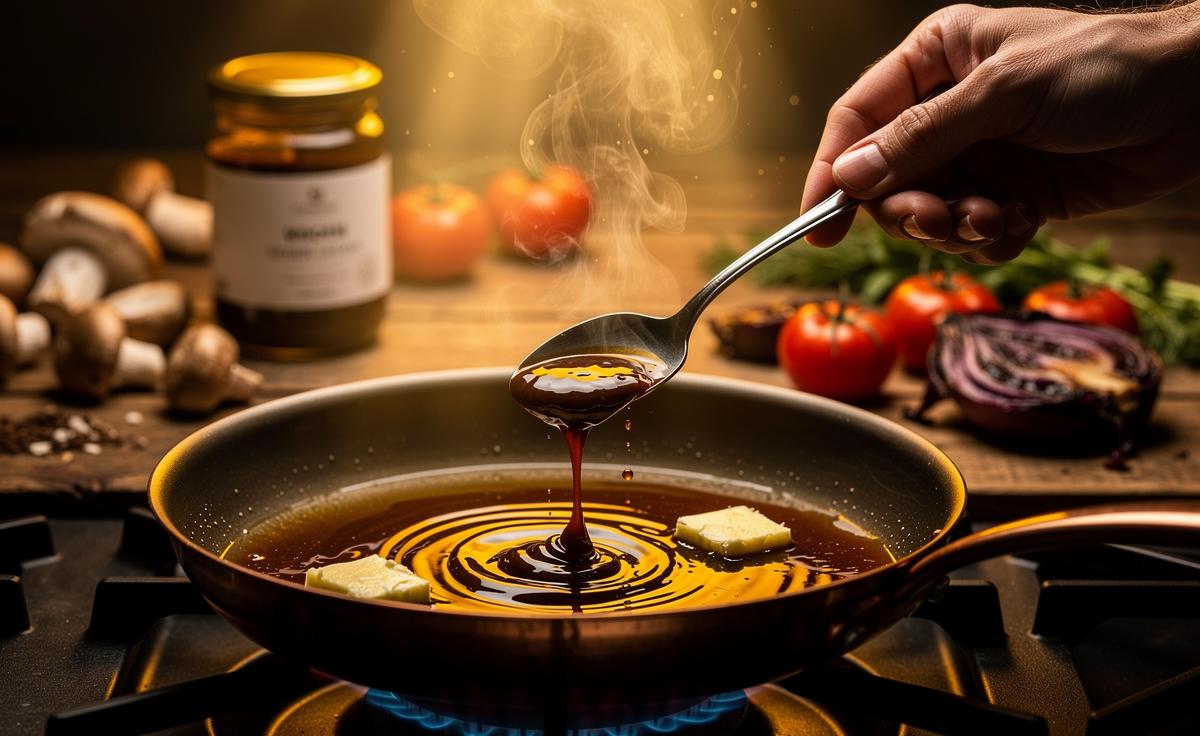
In a nutshell
- 🍲 The “secret ingredient” is yeast extract—a concentrated source of umami (glutamates and nucleotides) that makes flavours taste more themselves, transforming soups, sauces, and braises with a pea-sized smear.
- 👩🍳 Chefs prize it for layering and speed: a dab finishes pan sauces, deepens vegan gravies, and stitches together tomato ragù—versatile across cuisines without shouting its own flavour.
- 🧭 How to use: dissolve 1/4–1/2 tsp, add early for backbone or late for shine, pair with mushrooms, tomatoes, and caramelised onions; whisk into butter or glazes—start small, taste, then stop.
- 🔁 Smart swaps: emulate the effect with anchovy paste, miso, fish or soy sauce, Parmesan rind, or a pinch of MSG; combine two for deeper, rounded savouriness.
- ⚠️ Cautions: high sodium; check labels for barley (gluten) if cooking for coeliacs; if flavours tip bitter or murky, add acidity, a touch of sweetness, or dilute to rebalance.
Every chef has a trick up a flour-dusted sleeve. Some swear by a splash of vinegar, others by an anchovy slipped into a sauce. But a growing number point to a stalwart already sitting on countless British shelves: yeast extract — think Marmite by brand, but focus on the ingredient. It’s rich, concentrated, and fiercely effective. It doesn’t taste like itself when used correctly; it makes everything else taste more itself. In a time of careful budgets and smarter cooking, this pantry paste is a flavour amplifier hiding in plain sight. Chefs call it the shortcut to depth. Home cooks can, too.
What the Secret Ingredient Really Is
Yeast extract is made by breaking down yeast cells (a process called autolysis), then concentrating the soluble bits into a paste. The result is a high-impact blend of glutamates and nucleotides that deliver the savoury note we call umami. Where straight MSG is a single compound, yeast extract is a matrix of flavour molecules. That complexity is why it rounds off soups, braises, and sauces so elegantly. It’s not there to shout. It’s there to hum beneath the melody. A pea-sized smear can transform a litre of stew. That economy matters, especially when you’re stretching ingredients or cooking from leftovers.
There are practical perks. Most yeast extract pastes in the UK are vegan, which means cooks can add rich savouriness to plant-based dishes without meat or dairy. The salt content is high, so it seasons as it deepens flavour; adjust your salt hand accordingly. Some jars include barley derivatives, so always check labels if you’re cooking for coeliacs. Stored cool and sealed, it keeps for months. It is, in short, reliable kitchen armoury: concentrated, stable, and utterly dependable.
Why Chefs Swear by It
Professional kitchens chase consistency and speed. Yeast extract offers both. A thumbprint whisked into pan juices does the work of a lengthy reduction, coaxing depth from hurried sauces. In a vegan gravy, it stands in for roasted bones. In a tomato ragù, it stitches acidity and sweetness together, making a Tuesday-night supper taste like Sunday. It doesn’t taste of toast; it tastes like more. That’s the point prized by chefs: layering. A dish gains body not by adding a new flavour, but by intensifying what’s already there.
The ingredient travels easily across cuisines. Add a dab to dashi for a ramen shortcut. Fold a teaspoon into chilli to underpin cumin and smoked paprika. Beat a little into butter for steaks, mushrooms, or roast roots. It also quietly boosts perception of body in reduced-fat dishes, where texture can feel thin. Used sparingly, it speeds up the Maillard-like impression without over-browning. The trick is restraint. Start small, taste, then stop when the flavours lock into focus. That discipline is why chefs reach for it as a finisher, not a headline act.
How to Use It in Everyday Cooking
Think of yeast extract as culinary bitters: potent, precise, and transformative. Dissolve a quarter to half teaspoon in hot water first, or smear it directly into a sizzling pan so it disperses evenly. Add it early to stews for backbone. Stir it in late to sauces for shine. Whisk it with butter to glaze vegetables. Pair it with mushrooms, tomatoes, caramelised onions, and slow-cooked meats, where natural umami is already present and ready to be amplified. For plant-based cooking, it’s gold: lentil shepherd’s pies, miso-mushroom noodles, black-bean chilli — all benefit from a discreet nudge.
Use the guide below as a quick-start map. Small amounts, big results.
| Dish | Amount | Effect | Pro Tip |
|---|---|---|---|
| Beef gravy or pan sauce | 1/4 tsp | Richer roast notes, silkier finish | Whisk in off the heat with cold butter |
| Mushroom risotto | 1/4 tsp in stock | Deeper umami, savoury length | Combine with a splash of soy for synergy |
| Tomato ragù or Bolognese | 1/2 tsp | Balances acidity, adds roundness | Stir in after long simmering, then taste salt |
| Roast veg glaze | 1/4 tsp | Caramel depth, gentle savouriness | Blend with honey and oil; brush in final 10 mins |
| Vegan gravy | 1/2 tsp | Meaty backbone without meat | Build with onions, thyme, and a dash of sherry |
Always balance salt. Yeast extract is seasoned by design, so taste before adding more. If you overshoot, a squeeze of lemon or a spoon of yoghurt can pull the dish back into line. Restraint keeps the magic invisible.
Smart Substitutions and Cautions
No jar at home? You can mimic the effect. Try anchovy paste (melts, meaty), fish sauce (salty, clean umami), or miso (fermented depth). A crumble of Parmesan rind simmered in soups does wonders. Worcestershire sauce adds tangy complexity; tomato paste brings sweetness and roast; a dash of soy sauce gives savoury lift. For pure precision, a pinch of MSG offers clarity, especially in broths. Combine two for layered results — miso plus soy, for instance, is a fast track to weeknight sophistication. The goal is body, not dominance.
Two cautions. First, sodium. These boosters are salty; measure with care and taste often. Second, dietary needs. Some yeast extracts include barley, so they’re not suitable for coeliacs; check labelling. Most are vegan, but always confirm. Store the jar sealed, use a clean spoon, and keep the rim tidy to prevent crusting. If a dish turns murky or bitter, you used too much; add acidity, a touch of sweetness, or dilution. Remember the chef’s rule: build in increments. Once you can clearly taste it, you’ve gone too far.
Quiet brilliance defines this ingredient. With a jar of yeast extract, you can turn thrifty cuts luxurious, make vegetables sing, and rescue flat sauces in seconds. It’s a low-cost way to cook like a pro, and its versatility encourages play: blend it into butter, whisk it into dressings, dissolve it into stock, or glaze with it at the end. Small dose, big flavour. The secret isn’t that chefs use it — it’s that they use so little, so wisely. What dish on your weekly rota will you upgrade first, and how daring will you be with that first, tiny spoonful?
Did you like it?4.5/5 (20)