In a nutshell
- ❄️ The winter trend is cold exposure—from icy showers to open-water dips—promising mood and immune system benefits, but it’s a clear try at your own risk practice.
- 🧪 Evidence is mixed: small studies suggest fewer sick days and brown fat activation, yet no robust proof that cold showers prevent winter infections or “boost” immunity.
- ⚠️ Risks are real and individual: cold shock, arrhythmia, bronchospasm in asthmatics, hypothermia and drowning in open water; context and control matter.
- 🚫 High-risk groups—those with cardiovascular disease, hypertension, Raynaud’s, asthma, pregnant people, and children—should avoid; consider safer lifts like daylight, brisk walks, strength work, and consistent sleep.
- 🛡️ It’s not a substitute for basics: prioritise vaccination, ventilation, hygiene, sleep, and appropriate vitamin D; if you experiment, keep it brief, never go alone in cold water, warm up, and heed warning signs.
Every winter births a new wellness craze. This season’s lightning rod is cold exposure—from bracing cold showers to pre-dawn dips in near-freezing ponds—touted as a shortcut to a tougher immune system and a brighter mood. Fans swear by the ritual. Critics warn of undue risk, especially in a season already laden with viruses and strained hospitals. The idea is simple: harness the body’s stress response to sharpen resilience. The reality is more complex. Evidence is intriguing, not definitive. Safety is highly individual. As the slogan goes, try at your own risk, but understand the claims, the gaps, and the hazards before you turn the taps to blue.
What Is the Winter Tip Everyone Is Talking About?
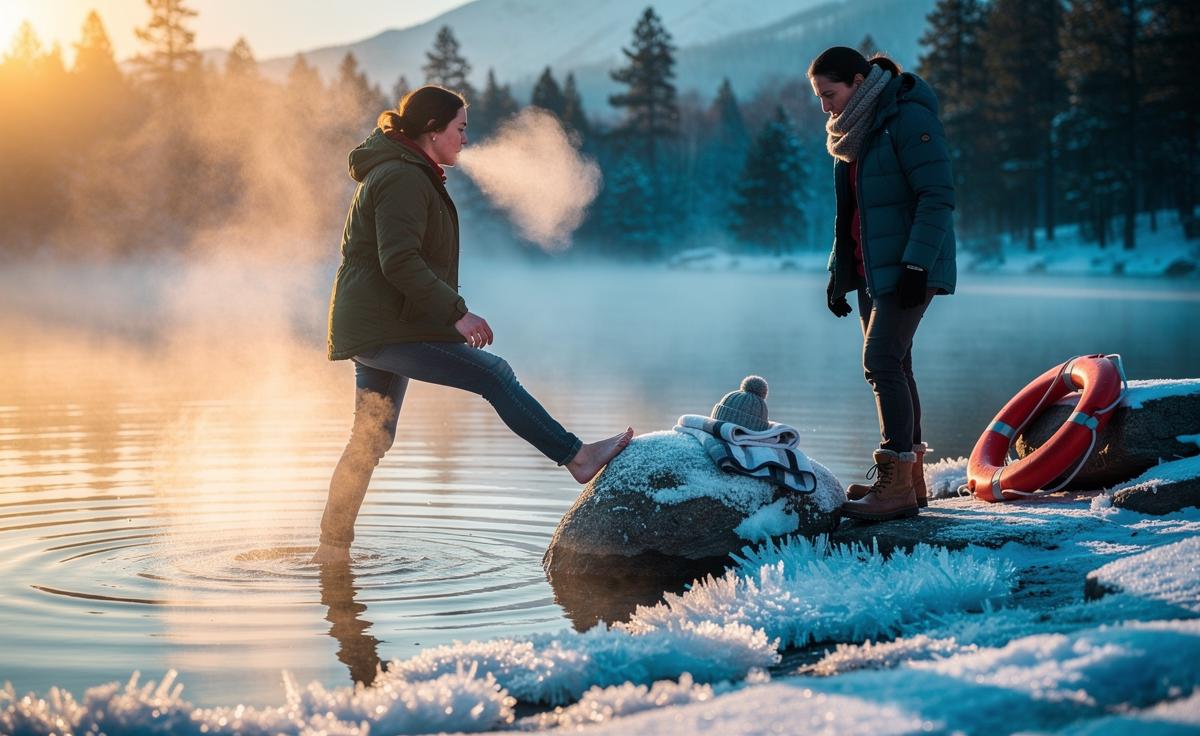
The tip splitting opinion is the deliberate use of cold—short, sharp exposures designed to jolt the body into a state of alert. Think icy showers after a run. A minute or two in an unheated tub. Even brief winter dips, where bathers stride out steaming and triumphant. Proponents say the practice triggers a spike in adrenaline and noradrenaline, lifts mood, and nudges brown fat to burn energy and create heat. The promise is seductive: fewer winter bugs, more focus, a resilient nervous system.
Yet the setting matters. A controlled bathroom shower is one thing. An open-water plunge in January is another, with unpredictable temperature, currents, and the real threat of cold shock. That first gasp on contact can be dangerous if unprepared or if you have an underlying condition. The trend’s social media aesthetic—smiling faces, crystalline lakes, a stopwatch—can obscure practical realities like supervision, gradual adaptation, and knowing your limits. What looks like a three-minute habit is, in reality, a stressor that the body interprets as urgent.
Even the language inspires risk inflation. “Immune boosting” suggests a fortress; biology is subtler. The immune system is not a dimmer switch you slide up. It’s a web of responses that can be nudged, sometimes helpfully, sometimes not, depending on timing, dose, and the rest of your life—sleep, diet, vaccination status, and chronic illness. Cold exposure is not a replacement for those foundations.
What the Science Suggests So Far
Research offers glimmers, not guarantees. Small studies report that brief cold exposure can elevate circulating stress hormones and may increase energy expenditure through activation of brown adipose tissue. A Dutch trial found people who finished hot showers with cold bursts reported fewer sick days, though overall illness incidence did not change—suggesting perception, recovery, or attendance behaviour may have shifted rather than infection itself. Other tightly controlled experiments show trained volunteers can modulate inflammatory responses to a challenge, but these protocols combine breathing, focus, and cold; they’re not simply “hop in, get immune”.
The gaps are substantial. Evidence often relies on self-report, small samples, and varied protocols. Mechanisms are plausible but unresolved, and effects may be short-lived. Crucially, there is no robust proof that cold showers prevent winter infections. There is, however, clear documentation of hazards—cold shock, arrhythmia, bronchospasm in asthmatics, and in open water, the risk of hypothermia and drowning. Context, again, is everything.
| Claim | What Evidence Says | Indicative Risk |
|---|---|---|
| Fewer colds | Mixed. Some report fewer sick days; infection rates unchanged in small studies. | Low to moderate if showers; higher in open water. |
| Better mood/focus | Plausible short-term uplift via catecholamines; long-term effects unclear. | Low with brief, controlled exposure. |
| Fat-burning boost | Brown fat activation shown; real-world weight impact likely modest. | Low, but benefits may be small. |
| Stronger immunity | Insufficient evidence for meaningful protection against winter viruses. | Potential harm if overdone or if health issues exist. |
In short, the signal exists, but it is faint. Enthusiasm has outpaced data. The public-health pillars—vaccination, ventilation, hand hygiene, sleep, and appropriate vitamin D—still carry the clearest evidence for winter resilience.
Who Should Avoid the Trend—and What to Consider Instead
Doctors warn that certain groups face elevated risk. Anyone with cardiovascular disease, uncontrolled hypertension, prior arrhythmia, Raynaud’s phenomenon, asthma, a history of cold-induced urticaria, or problems with balance should be wary. Pregnant people and young children are not ideal candidates for experimentation. Open-water plunges amplify danger: sudden immersion raises heart rate and blood pressure; involuntary gasps can lead to aspiration. If you’re not sure how your body will respond, you are not the person to start in midwinter.
Even among healthy adults, dose matters. Overzealous cold exposure adds stress to a season already laden with respiratory viruses and reduced daylight, potentially undercutting recovery. If you’re chasing mood or focus, alternatives exist with sturdier backing: brisk outdoor walks, daylight exposure in the morning, strength work a few times a week, social connection, and consistent sleep-wake times. For infection risk, vaccines remain the heavy lifters. Many in the UK are advised to consider a daily 10 microgram vitamin D supplement during autumn and winter; speak to a clinician if unsure.
None of this is to dismiss curiosity. Rituals help people feel in control. The key is proportion. Cold exposure may be a stimulating practice for some, but it is not a panacea. Treat it as a stressor, not a cure. If you experiment, keep it brief, warm up fully, avoid solitary open-water attempts, and pay attention to warning signs. And remember: this trend complements the basics; it does not replace them.
Winter health myths thrive because they promise agency in a chaotic season. The cold exposure craze distils that hope into a single, icy act—part discipline, part dare. The science is intriguing, but still formative; the risks are knowable, yet individual. Public health advice, boring as it sounds, remains your best bet for staying well. Curiosity is welcome. Caution is wise. Before you reach for the cold tap, what evidence would you need—personal experience, clinical trials, or a doctor’s nod—to make the plunge feel worth it?
Did you like it?4.7/5 (24)